


About Us
For over a decade, we've connected homeowners with reliable, contractors across the country. No markups, just vetted pros.
Free ConsultationContact Info
- (877) 608-5589
- 7 days a week, 8am-7pm (all time zones)
Gutters Installation & Repair – Seamless Gutters, Gutter Guards & Downspouts by Contractors

Notice water pooling around your foundation after rain? Or maybe your gutters are pulling away from the house, full of leaves, or leaking at the seams? After 10+ years connecting homeowners with gutter contractors, We've seen the damage bad gutters can cause: basement flooding, eroded landscaping, even foundation cracks. Gutters might not be glamorous, but they're your home's first line of defense against water damage. And proper installation matters more than most people realize.
Why Gutters Matter: Protecting Your Foundation, Basement, and Landscaping
Here's what happens without gutters or with failing gutters: Rainwater falls off your roof and concentrates around the foundation. Over time, that water saturates the soil, which expands and contracts, putting pressure on foundation walls. It seeps into basements or crawlspaces. It erodes landscaping and splashes mud onto siding. In cold climates, ice dams form and force water under shingles. Gutters channel that water away from your home to where it can drain safely. A good gutter system includes properly sized gutters, enough downspouts, and extensions that carry water at least 5-10 feet from the foundation. It's not complicated, but it's critical. We've talked to too many homeowners dealing with $20,000 foundation repairs that could have been prevented with $1,000 worth of gutters.
Seamless vs. Sectional Gutters: Why Seamless Wins
Sectional gutters come in pre-cut lengths that join together with connectors and end caps. Those seams are weak points they collect debris, start leaking over time, and can pull apart in heavy rain or snow. Seamless gutters are custom-formed on-site from a continuous roll of aluminum (or steel/copper). They have no seams except at corners and downspouts, so they leak less, look cleaner, and handle heavy flow better. Yes, they cost more upfront, but they last longer and require less maintenance. In my experience, seamless gutters are worth the investment for any homeowner planning to stay in their home more than a few years. Most professional gutter contractors specialize in seamless for good reason.
Gutter Materials: Aluminum, Steel, Copper, and Vinyl
Aluminum is the most popular choice for good reason: it's lightweight, rust-proof, affordable, and available in many colors. Seamless aluminum gutters with a baked-on enamel finish can last 20-30 years. Steel gutters are stronger and hold up better in hail or heavy snow loads, but they can rust if the finish gets scratched. Galvanized steel lasts 15-20 years; galvalume (aluminum-zinc coating) lasts longer. Copper gutters are the premium choice they develop a beautiful patina over time, last 50+ years, and add architectural character. But they cost 3-5 times more than aluminum and require special installation techniques. Vinyl gutters are cheap and easy for DIY, but they become brittle in cold weather, can sag in heat, and generally don't last. We only recommend vinyl for temporary solutions or very mild climates.
Gutter Sizing: 5-Inch vs. 6-Inch and Beyond
Standard residential gutters are 5-inch K-style (the most common profile). For most homes in moderate climates, 5-inch is sufficient. But if you have a steep roof, a large roof area, or live in an area with heavy rainfall (like the Gulf Coast or Pacific Northwest), you might need 6-inch gutters. They handle about 40% more water than 5-inch. Some homes with metal roofs (which shed water faster) also benefit from 6-inch. For commercial buildings or very large homes, 7-8 inch gutters might be needed. A good contractor will calculate based on your roof's square footage and local rainfall intensity (the 100-year storm rate). They'll also ensure downspouts are sized appropriately one 3x4 downspout handles about 600 sq ft of roof area.
Downspouts and Extensions: Getting Water Away from Your Home
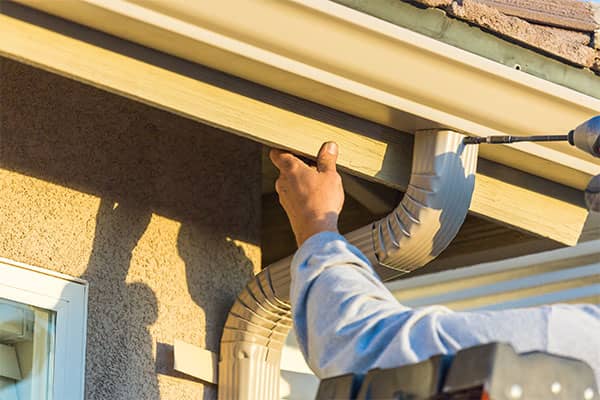
Gutters are only half the system. Downspouts need to carry water to the ground and then away from the foundation. Standard downspouts are 2x3 inches, but 3x4 is better for larger roofs. Splash blocks at the bottom help, but they only direct water a few feet. For real protection, use downspout extensions that carry water 5-10 feet away, or better yet, connect to underground drainage. Underground drains can run to a dry well, a daylight drain (if you have a slope), or the street (where permitted). They need proper slope and cleanouts for maintenance. In cold climates, they must be buried below frost line to prevent freezing. Your contractor can design a drainage system that keeps water away permanently, not just during light rains.
Gutter Guards: Do They Really Work?
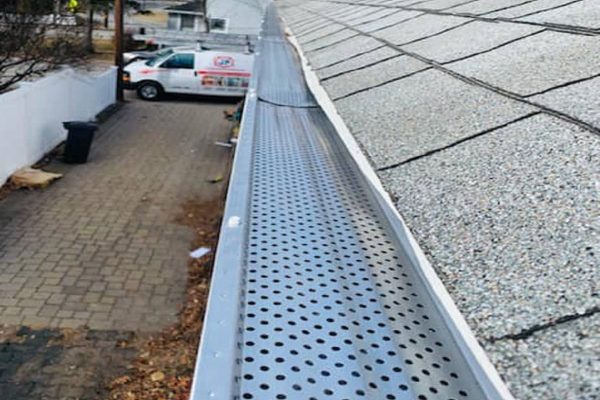
We get asked about gutter guards constantly. The short answer: yes, but choose wisely. The best are micro-mesh screens (stainless steel or aluminum with tiny holes) that block debris while allowing water to pass through. They install over the gutters and can reduce cleaning frequency to once every few years. Reverse curve (or "helmet") systems use the principle of adhesion to direct water into the gutter while leaves slide off. They work well in theory but can be overwhelmed in heavy rain if not perfectly installed. Foam inserts fit inside the gutter and block debris but can trap moisture and promote mold. Surface tension guards are cheap but often fail. No guard is 100% maintenance-free you'll still need occasional cleaning, especially if you have pine needles or seed pods. But a good guard system is worth it if you have many trees or hate climbing ladders.
Gutter Repair: When to Fix vs. Replace
Minor issues can often be repaired. Leaking seams can be cleaned and re-sealed with gutter sealant (though if multiple seams leak, replacement might be better). Sagging gutters might just need new hangers or re-spiking. Small holes can be patched. But if gutters are over 20 years old, have multiple leaks, are pulling away from the fascia, or have significant rust/corrosion, replacement is usually more cost-effective. Also, if your home had undersized gutters or too few downspouts, replacement gives you a chance to upgrade. A good contractor will assess and give you honest options sometimes repair makes sense, sometimes replacement is the better long-term play.
Gutter Maintenance: Keeping the System Flowing
Even with guards, gutters need attention. Clean gutters at least twice a year (spring and fall) if you have trees. More often if you have heavy tree cover. While cleaning, check for: debris buildup, standing water (indicates improper slope), loose hangers, rust spots, and downspout clogs. Flush downspouts with a garden hose to ensure they're clear. Check that splash blocks or extensions are in place and directing water away. In winter, watch for ice dams they form when heat escaping from the attic melts snow, which refreezes at the cold edge. Ice dams can tear gutters off and cause roof leaks. Proper attic insulation and ventilation help prevent them.
Average Gutter Installation Costs
| Gutter Type | Average Cost (Installed per linear foot) | Notes |
|---|---|---|
| Seamless Aluminum (5-inch) | $6 – $12 | Most common, 20-30 year lifespan |
| Seamless Aluminum (6-inch) | $8 – $15 | For high rainfall or steep roofs |
| Galvanized Steel | $8 – $16 | Stronger but can rust |
| Copper | $25 – $40+ | Premium, 50+ year lifespan |
| Vinyl Sectional | $3 – $6 | DIY-friendly but less durable |
| Gutter Guards | $8 – $15 | Additional cost per foot |
| Downspout Extensions | $10 – $30 each | Pop-up or corrugated |
Costs vary by region, home height, and complexity. Most homes have 150-200 linear feet of gutters.
Best Time for Gutter Installation
Spring and fall are ideal moderate temperatures make installation easier. But gutters can be installed year-round. In summer, crews work early to avoid heat. In winter, they work around snow and ice. If you have ice dams, address them in late summer or fall before the next winter. If you're dealing with foundation issues from poor drainage, don't wait install as soon as possible. Gutter installation is relatively quick most homes are done in a day. The disruption is minimal compared to other home projects.
Permits and Building Codes
Most areas don't require permits for gutter replacement unless you're doing extensive grading or underground drainage. But if you're connecting to storm sewers or doing major site work, permits may be needed. Some HOAs have rules about gutter colors and materials. Your contractor should know local requirements and can advise. Even without permits, gutters must meet basic building practices proper slope (1/4 inch per 10 feet), secure attachment, and downspout placement to avoid foundation issues.
Gutters and Roofing: Working Together
Gutters are closely tied to your roof. Drip edge (the metal flashing at roof edges) should extend into the gutter so water drips in, not behind. If you're getting a new roof, it's a great time to inspect gutters and replace if needed. Conversely, new gutters should be installed with proper flashing to prevent water from running behind them. A good gutter contractor will coordinate with your roofer if needed, or handle both if they do roofing too. Water intrusion behind gutters can rot fascia boards and cause interior leaks.
Frequently Asked Questions About Gutters Installation & Repair
How long do gutters typically last?
Seamless aluminum gutters last 20-30 years. Steel gutters 15-20 years (galvanized) or longer (galvalume). Copper gutters 50+ years. Vinyl gutters 10-15 years but may become brittle sooner in cold climates. Regular maintenance extends life regardless of material.
How much does gutter installation cost for an average home?
For a typical 1,500-2,000 sq ft home with 150-200 linear feet of gutters, expect $900-$2,400 for seamless aluminum installation. Add $500-$1,500 for gutter guards. Downspout extensions add $50-$200. Get multiple quotes for comparison.
Can I install gutters myself?
You can install sectional vinyl or aluminum gutters yourself if you're handy. But seamless gutters require a specialized machine and professional installation. For most homeowners, professional installation is worth it seamless gutters perform better and look cleaner.
How do I unclog a downspout?
Try a plumber's snake or a pressure washer with a downspout attachment. You can also remove the downspout and flush it. If it's completely blocked, you may need to disassemble. Regular gutter cleaning prevents downspout clogs.
What's the best gutter guard?
Micro-mesh stainless steel guards are widely considered the best balance of performance and cost. They block debris while allowing water flow. Reverse curve systems can work well but require perfect installation. Foam inserts are cheap but can trap moisture. Research and read reviews for your specific conditions.
Why do my gutters overflow in heavy rain?
Possible causes: gutters are undersized for your roof area, downspouts are clogged or too few, or gutters lack proper slope. Sometimes it's simply that the rain intensity exceeds design capacity. A contractor can assess and recommend solutions like larger gutters or additional downspouts.
How do I prevent ice dams?
Ice dams are caused by heat escaping from the attic melting snow, which refreezes at the cold edge. Solutions: improve attic insulation, ensure attic ventilation, and seal air leaks from living spaces. Heat cables can help in the short term but address the root cause for a permanent fix.
We've been doing this for over 10 years matching homeowners with gutter contractors who actually have the licenses, insurance, and experience to do the job right. No middleman markup, just a direct connection. Fill out the form or give us a call; we'll help you protect your home from water damage.